Concerns about secondary use of data and limited opportunities for benefit-sharing for Indigenous Peoples have led to the development of the CARE principles, which were published first in 2020 (Carroll et al. (2020)). The pervasive bias across data ecosystems, institutions and communities indicate the importance of addressing inequities at multiple levels.
“‘CARE Principles for Indigenous Data Governance’ (Collective Benefit, Authority to Control, Responsibility, and Ethics) in consultation with Indigenous Peoples, scholars, non-profit organizations, and governments. The CARE Principles are people– and purpose-oriented, reflecting the crucial role of data in advancing innovation, governance, and self-determination among Indigenous Peoples.” (Carroll et al. (2020))
The CARE Principles of Indigenous Data Sovereignty apply whenever you’re collecting data with or that belong to a particular community. CARE stands for Collective benefit, Authority to control, Responsability, and Ethics.
Collective Benefit
Data must facilitate collective benefit to enable Indigenous People to achieve inclusive development and innovation, improve governance and citizen engagement, and realize equitable outcomes.
Authority to Control
Recognition of the rights of Indigenous communities to govern data.
This may also include consideration about the governance structure of the data repository and the location of the data servers.
Responsibility
Those working with Indigenous data have a responsibility to share how those data are used to support Indigenous Peoples’ self determination and collective benefit.
Ethics
Indigenous Peoples’ rights and well being should be the primary concern at all stages of the data life cycle and across the data ecosystem.
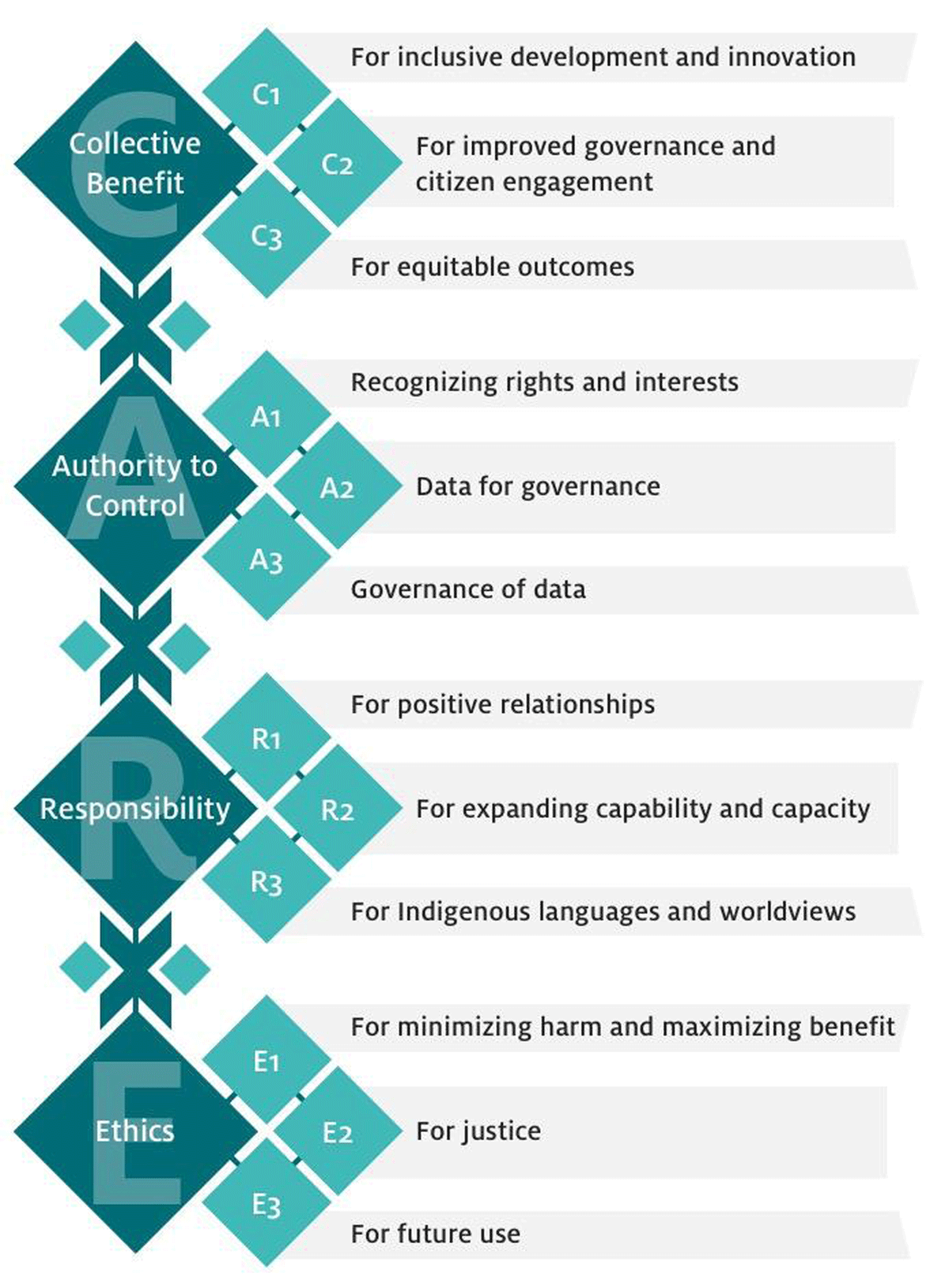
Figure 1:The CARE principles, figure by Carroll et al. (2020).
The Global Indigenous Data Alliance has made further resources available and translated the CARE principles in other languages.
The genomic (Carroll et al. (2022)), as well as the ecology/biodiversity (Jennings et al. (2023)), research communities have worked on a framework for enhancing ethical genomic research with Indigenous communities.
Whenever you are handling data that belongs to an Indigenous or other under-served community, the CARE principles are more important than the benefits of Open Data.
Labels for Traditional Knowledge (TK label)
The majority of data and software licenses does not incorporate Indigenous considerations of data sharing. The Traditional Knowledge (TK) Labels are an initiative for Indigenous communities and local organizations that aims to address this shortcoming. TK Labels allow communities to express local and specific conditions for sharing and engaging in future research and relationships in ways that are consistent with already existing community rules, governance and protocols for using, sharing and circulating knowledge and data.
More information
Indigenous Data Sovereignty toolkit by the Native Women’s Association of Canada
The Dissonance between Scientific Altruism... - Joseph M Yracheta - BOSC
Working with the CARE principles: operationalising Indigenous data governance
Selected Readings on Indigenous Data Governance by the Data Stewards Network (DSN)
- Carroll, S. R., Garba, I., Figueroa-Rodríguez, O. L., Holbrook, J., Lovett, R., Materechera, S., Parsons, M., Raseroka, K., Rodriguez-Lonebear, D., Rowe, R., Sara, R., Walker, J. D., Anderson, J., & Hudson, M. (2020). The CARE Principles for Indigenous Data Governance. Data Science Journal, 19. 10.5334/dsj-2020-043
- Carroll, S. R., Plevel, R., Jennings, L. L., Garba, I., Sterling, R., Cordova-Marks, F. M., Hiratsuka, V., Hudson, M., & Garrison, N. A. (2022). Extending the CARE Principles from tribal research policies to benefit sharing in genomic research. Frontiers in Genetics, 13. 10.3389/fgene.2022.1052620
- Jennings, L., Anderson, T., Martinez, A., Sterling, R., Chavez, D. D., Garba, I., Hudson, M., Garrison, N. A., & Carroll, S. R. (2023). Applying the ‘CARE Principles for Indigenous Data Governance’ to ecology and biodiversity research. Nature Ecology & Evolution, 7(10), 1547–1551. 10.1038/s41559-023-02161-2